
Complete Guide to Caring for Your Leather Bags: Tips & Best Practices
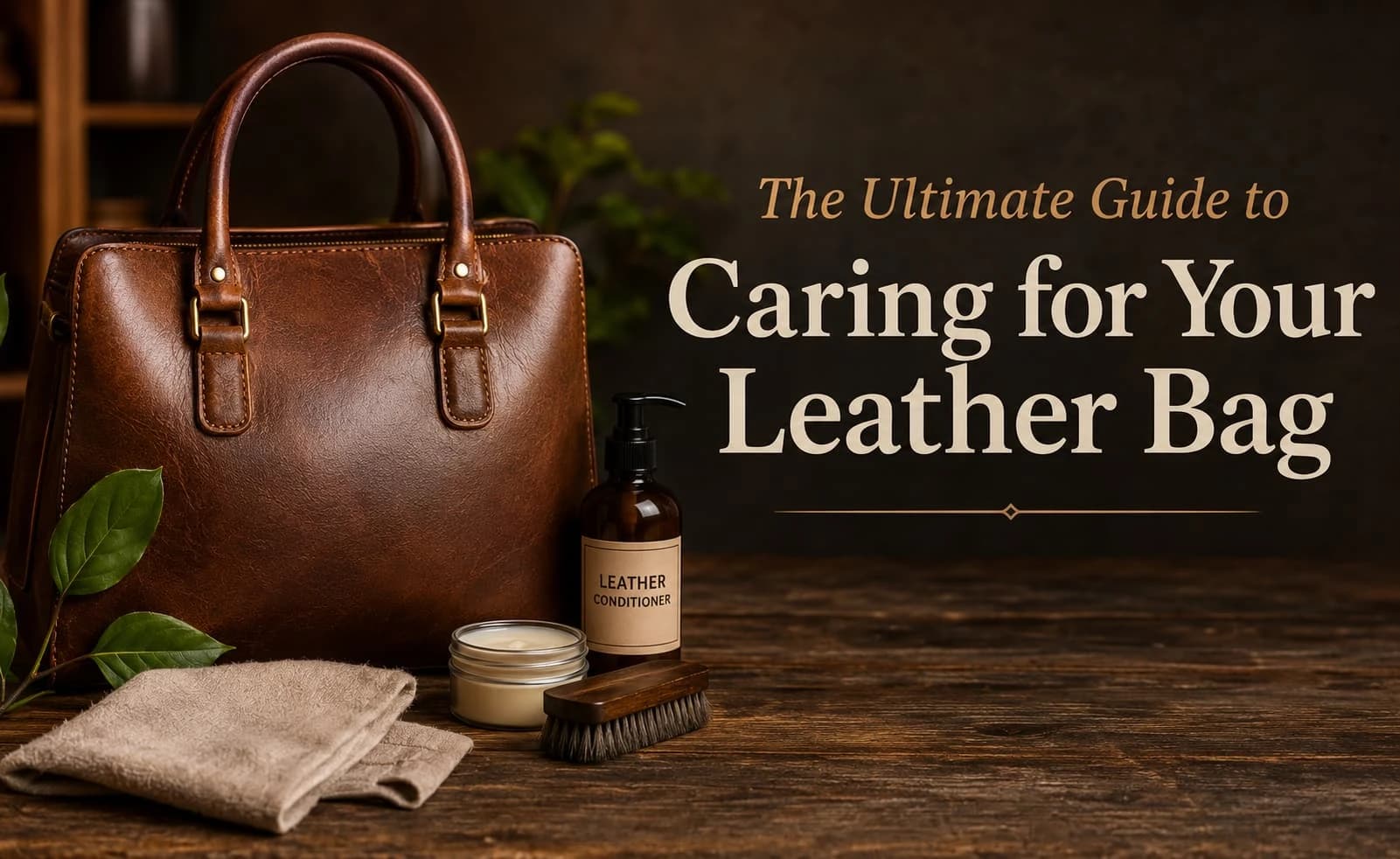
Why Leather Bag Care Matters
Your genuine leather bag is more than just an accessory—it's an investment. Quality leather develops character over time, but only if you treat it right. Proper care extends the life of your bag, preserves its beauty, and keeps it looking like new for years to come. Neglect, on the other hand, leads to cracks, stains, and permanent damage that's expensive or impossible to fix.
Leather is a natural material that breathes and ages gracefully when maintained well. Unlike synthetic materials, genuine leather rewards consistent care with a rich patina and lasting durability.
Daily Cleaning and Dust Removal
The Soft Cloth Method
Start with the simplest step: dust removal. Use a soft, dry microfiber cloth to gently wipe your bag every few days. This removes surface dust, dirt, and debris that can scratch the leather over time. Pay special attention to corners, seams, and handles where dust accumulates.
Spot Cleaning for Fresh Spills
If you spill something on your bag, act fast. Blot (don't rub) the spill with a clean, dry cloth to absorb excess liquid. For water-based spills, use a slightly damp cloth with distilled water. For oily stains, sprinkle a little baking soda, let it sit for 15 minutes, then brush it away gently. Never use harsh chemicals or alcohol-based products—they damage the leather's finish.
Deep Cleaning Your Leather Bag
Choosing the Right Cleaner
Once a month, give your bag a deeper clean. Use a leather-specific cleaner designed for genuine leather—these are pH-balanced and won't strip natural oils. You can also make a gentle homemade solution: mix a few drops of mild dish soap with distilled water. Test any cleaner on a hidden area first to ensure it doesn't discolor the leather.
The Cleaning Process
Conditioning and Moisturizing
Why Leather Needs Conditioning
Leather is skin, and like your own skin, it needs moisture. Over time, leather loses its natural oils, becoming dry, stiff, and prone to cracking. Conditioning replenishes these oils, keeping the leather supple, soft, and resistant to damage. Condition your bag every 3–6 months, depending on how often you use it and your climate.
How to Apply Leather Conditioner
If your bag has a protective finish or coating, check the manufacturer's instructions before conditioning, as some finishes don't require it.
Protecting Your Leather Bag from Water and Stains
Water-Resistant Treatments
Leather is naturally water-resistant to some degree, but heavy rain or submersion can cause damage. Apply a leather protectant spray every 6–12 months to create an invisible barrier against water, salt, and stains. Always test the spray on a hidden area first, and apply it in a well-ventilated space.
What to Do If Your Bag Gets Wet
Proper Storage for Long-Term Care
Choosing the Right Storage Space
Store your leather bag in a cool, dry place away from direct sunlight, heat sources, and humidity. Extreme temperatures and moisture cause mold, mildew, and color fading. A closet shelf or drawer is ideal. Avoid basements or attics where temperature and humidity fluctuate.
Storage Best Practices
Fixing Scratches, Scuffs, and Minor Damage
Light Scratches and Scuffs
Minor scratches often fade naturally as the leather develops a patina. If you want to minimize their appearance, apply a leather conditioner—it can help blend light scratches into the leather's surface. For slightly deeper scuffs, use a leather repair cream that matches your bag's color. Apply it gently with a soft cloth, let it dry, and buff away excess.
Stubborn Stains
For ink stains, try rubbing alcohol on a cotton swab, applied gently to the stain. For grease stains, sprinkle baking soda, let it sit overnight, then brush away. For wine or food stains, clean immediately with a damp cloth and mild soap. If a stain persists after these methods, consult a professional leather cleaner.
When to Seek Professional Help
Deep cracks, large tears, broken zippers, or severe stains are best handled by a professional leather restorer. Attempting DIY repairs on major damage can make things worse. A professional can often restore your bag to near-original condition.
Caring for Leather Bag Hardware and Straps
Metal Hardware
Zippers, clasps, and metal accents can tarnish or corrode over time. Clean them gently with a soft, dry cloth. For stubborn tarnish, use a small amount of metal polish on a cloth, then wipe clean. Avoid getting polish on the leather itself.
Handles and Straps
Handles and straps take the most wear. Condition them regularly along with the rest of the bag. If a strap starts to crack or fray, have it repaired promptly to prevent further damage. For reinforced straps, check stitching occasionally and have any loose threads re-stitched before they unravel.
Seasonal Care Tips
Summer Care
In hot, sunny weather, protect your bag from UV rays by storing it in shade when not in use. Sunlight fades leather color over time. If your bag gets sweaty from being carried in heat, wipe it down with a dry cloth and let it air-dry. Avoid leaving it in a hot car, where extreme heat can damage the leather and hardware.
Winter Care
Salt from winter roads and sidewalks can stain and damage leather. Wipe your bag with a damp cloth after exposure to salt, then dry it thoroughly. In dry winter air, condition your bag more frequently—indoor heating reduces humidity and dries out leather faster.
Investing in Quality Leather Bags
The best way to ensure your leather bag lasts is to start with genuine, high-quality leather. Di Pelle's handcrafted leather bags are made from premium Egyptian cowhide, designed to age beautifully and withstand years of daily use. When you invest in genuine leather from a trusted maker, proper care becomes a pleasure rather than a chore.
Whether you carry a leather laptop backpack for work or a classic leather handbag for everyday use, the care principles remain the same: clean regularly, condition consistently, protect from the elements, and store properly.
Final Thoughts
Caring for your leather bag is an investment in its longevity and beauty. With regular cleaning, conditioning, and smart storage, your genuine leather bag will develop a unique character and serve you faithfully for years. The patina that forms—the subtle color changes and soft wear marks—tells the story of your adventures together. That's the magic of genuine leather: it doesn't just last; it improves with age when cared for properly.
Frequently Asked Questions
How often should I clean my leather bag?
Clean your leather bag every 2–3 weeks with a soft, dry cloth to remove dust and dirt. For deeper cleaning, use a leather-specific cleaner once a month. If your bag gets wet or stained, clean it immediately to prevent permanent damage.
What's the best way to store a leather bag long-term?
Store your bag in a cool, dry place away from direct sunlight and heat. Stuff it loosely with acid-free tissue paper to maintain its shape, and keep it in a breathable dust bag—never plastic, which traps moisture and causes mold.
Can I use regular soap and water on genuine leather?
No. Regular soap strips natural oils from leather and can cause cracking. Always use a leather-specific cleaner or a mixture of mild soap with distilled water, applied sparingly with a soft cloth.
How do I fix scratches and scuffs on my leather bag?
Light scratches often fade with leather conditioner. For deeper scuffs, use a leather repair cream that matches your bag's color. Apply it gently, let it dry, and buff with a soft cloth. For major damage, consult a professional leather restorer.
Featured in this article

Latest Tips & Trends

The Complete Guide to Caring for Your Leather Wallet
Your wallet reflects your taste. Learn the right way to care for genuine and PU leather so it keeps its beauty and lasts for years.
2 min read

Distinctive Men’s Gift Ideas for Every Occasion
Men’s leather gifts that combine luxury and durability and last for years — ideas for every budget and occasion from Di Pelle.
2 min read

Genuine Leather Wallets: Unmatched Quality, Eye-Catching Design
Di Pelle genuine leather wallets combine high quality with elegant design for a unique everyday experience.
1 min read